
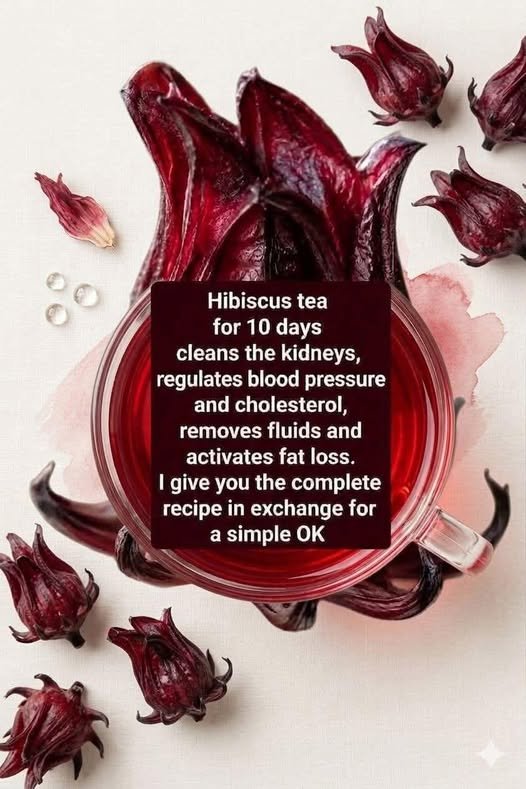
Uses dried Roselle (Hibiscus sabdariffa) Calyces.
Ingredients
- 2 tablespoons (about 8–10 g) dried hibiscus calyces
- 4 cups (1 liter) water
- Optional:
- 1–2 teaspoons honey
- Lemon slices
- Cinnamon stick
- Fresh ginger
Hot Tea Method
- Bring 1 liter of water to a boil.
- Remove from heat.
- Add dried hibiscus.
- Steep 10–15 minutes.
- Strain.
- Sweeten or flavor if desired.
- Serve warm.
Cold Brew Method
- Add 2 tablespoons dried hibiscus to 1 liter cold water.
- Refrigerate 8–12 hours.
- Strain and serve over ice.
Typical Intake
- 1–3 cups daily is common.
- Excessive amounts may increase side effects.
Nutrition Facts (Approximate)
For 1 cup (240 ml) unsweetened hibiscus tea:
| Nutrient | Amount |
|---|---|
| Calories | 0–5 |
| Fat | 0 g |
| Protein | 0 g |
| Carbohydrates | 0–1 g |
| Sugar | 0 g |
| Sodium | 0–5 mg |
| Caffeine | 0 mg |
Hibiscus contains small amounts of:
- Vitamin C
- Polyphenols
- Anthocyanins (red pigments with antioxidant activity)
Exact amounts vary greatly depending on preparation.
Potential Benefits
Blood Pressure
Several studies have found modest reductions in blood pressure, especially in people with mild hypertension.
Antioxidants
Rich in anthocyanins and polyphenols that may help reduce oxidative stress.
Cholesterol
Some research suggests small improvements in LDL and HDL cholesterol, though evidence is inconsistent.
Hydration
Like most herbal teas, it contributes to fluid intake.
Weight Management
May support healthy eating habits as a low-calorie beverage, but it is not a fat-burning drink.
Risks & Side Effects
May Lower Blood Pressure Too Much
Use caution if you:
- Have low blood pressure
- Take blood pressure medications
May Affect Blood Sugar
People with diabetes should monitor glucose levels.
Possible Drug Interactions
Consult a healthcare professional if taking:
- Blood pressure medicines
- Diabetes medicines
- Diuretics
Pregnancy
Large medicinal amounts are generally not recommended during pregnancy unless advised by a healthcare professional.
Allergic Reactions
Rare, but possible.
Frequently Asked Questions
Q: Does hibiscus tea clean the kidneys?
A: No. Healthy kidneys already filter waste naturally. There is no evidence that hibiscus tea “detoxifies” or “cleanses” kidneys.
Q: Can I lose weight by drinking it for 10 days?
A: Not specifically. Any weight change over 10 days is more likely due to calorie intake, hydration changes, or lifestyle factors.
Q: Is it safe every day?
A: For most healthy adults, 1–3 cups daily is generally considered safe.
Q: Can I drink it at night?
A: Yes. It is naturally caffeine-free.
Q: Does it reduce belly fat?
A: No strong evidence shows hibiscus tea specifically reduces belly fat.
Q: Can people with kidney disease drink it?
A: People with kidney disease should ask their doctor or renal dietitian before using herbal teas regularly.
Q: Should it be consumed on an empty stomach?
A: It can be, but some people find acidic herbal teas more comfortable after food.
Q: How long can prepared tea be stored?
A: Refrigerated, it is best consumed within 3–5 days.
A Balanced 10-Day Hibiscus Tea Plan
If you simply want to try it:
- Morning: 1 cup unsweetened hibiscus tea.
- Afternoon: 1 cup with meals.
- Drink adequate water throughout the day.
- Maintain a balanced diet and regular activity.